

Buying vintage clothing: how to recognize quality that deserves a second life
Buying vintage clothing isn't just about picking something out. You often doubt the fit, the material, and how long the garment will truly last. At Blue Blood, we help you with clear guidelines to recognize quality that deserves a second life. This way, you build a sustainable wardrobe with pieces you wear with confidence. Browse our carefully selected vintage collection and feel free to check out our maintenance tips.
Recognizing Quality
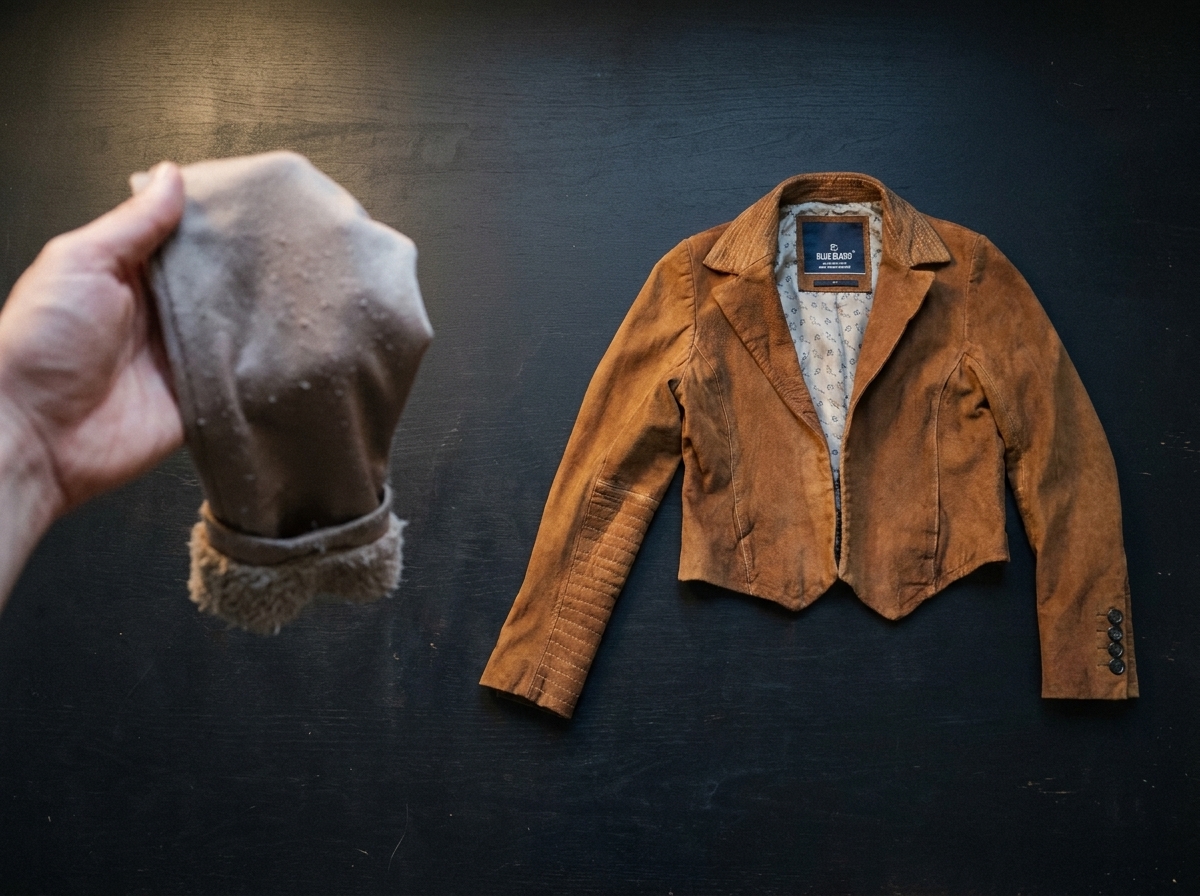
When looking for vintage clothing, you want to be sure you're choosing quality that will last. The details often make all the difference.
Seams and Stitching
Seams say a lot about the quality of a garment. Look closely at the stitching: it should be straight and strong. If you pull on the fabric and the seams seem to come loose, it's better to keep looking. Good stitching ensures your garment won't wear out quickly. Still in doubt? Ask yourself: could these seams handle an active lifestyle?
Stitching is not only functional but also a sign of craftsmanship. Attention to detail often reveals solid construction. With vintage clothing, this is especially important because the item has already had a life of its own.
Durable Materials
Durable materials also matter. Cotton, linen, and wool are good choices because they are strong and stay beautiful for a long time. Synthetic fabrics can also be durable, but then pay attention to the quality and finish. It's smart to check how the material feels. Sometimes a simple touch is enough to tell you how long it will last.
Checking Authenticity
The charm of vintage lies in its authenticity. Pay attention to labels, logos, and any certifications. They can tell you a lot about a piece's origin. An authentic garment often has small imperfections characteristic of its era.
Check if the item has a story. You can often estimate if it's truly vintage by its buttons or zippers.
Fit and Sizing
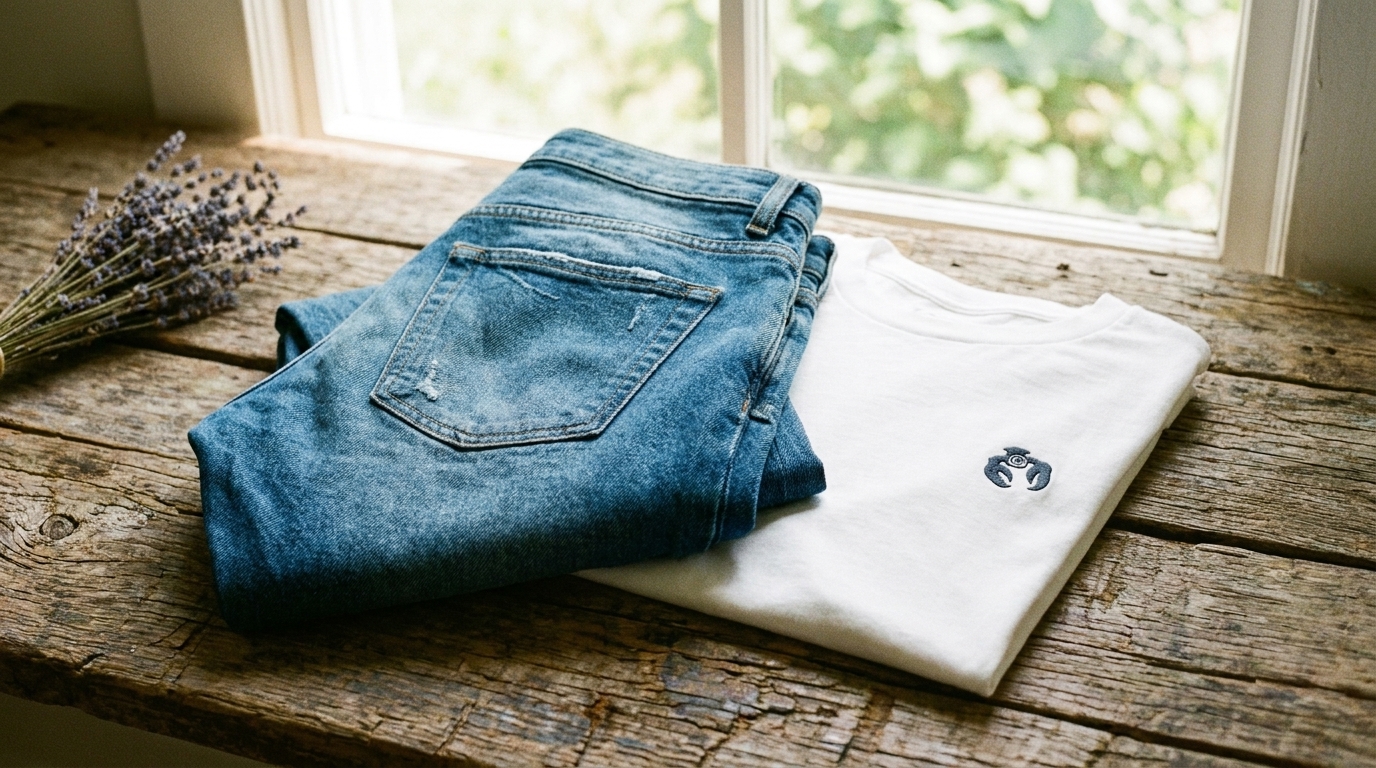
The search for the perfect vintage fit can be a journey in itself. But if you find the right size, you have a treasure on your hands.
Differences by Decade
Fits change with time. What was considered tight in the 70s might be loose today. This means that when trying on vintage clothing, you shouldn't just look at the size, but also at the style of the decade. Try different sizes and see how they fit your body.
Each decade has its unique characteristics. 1950s clothing often emphasizes the waist, while the 1990s are more oversized. Knowing these nuances helps you better understand what you're looking for.
Smart Measuring for Perfect Fit
Accurate measurement is essential. Start by measuring your bust, waist, and hips. Compare these with the measurements of the vintage item. This prevents surprises when you try on your new acquisition at home.
A tip: always bring a tape measure when you go shopping. It saves you time and disappointment.
Maintenance and Lifespan
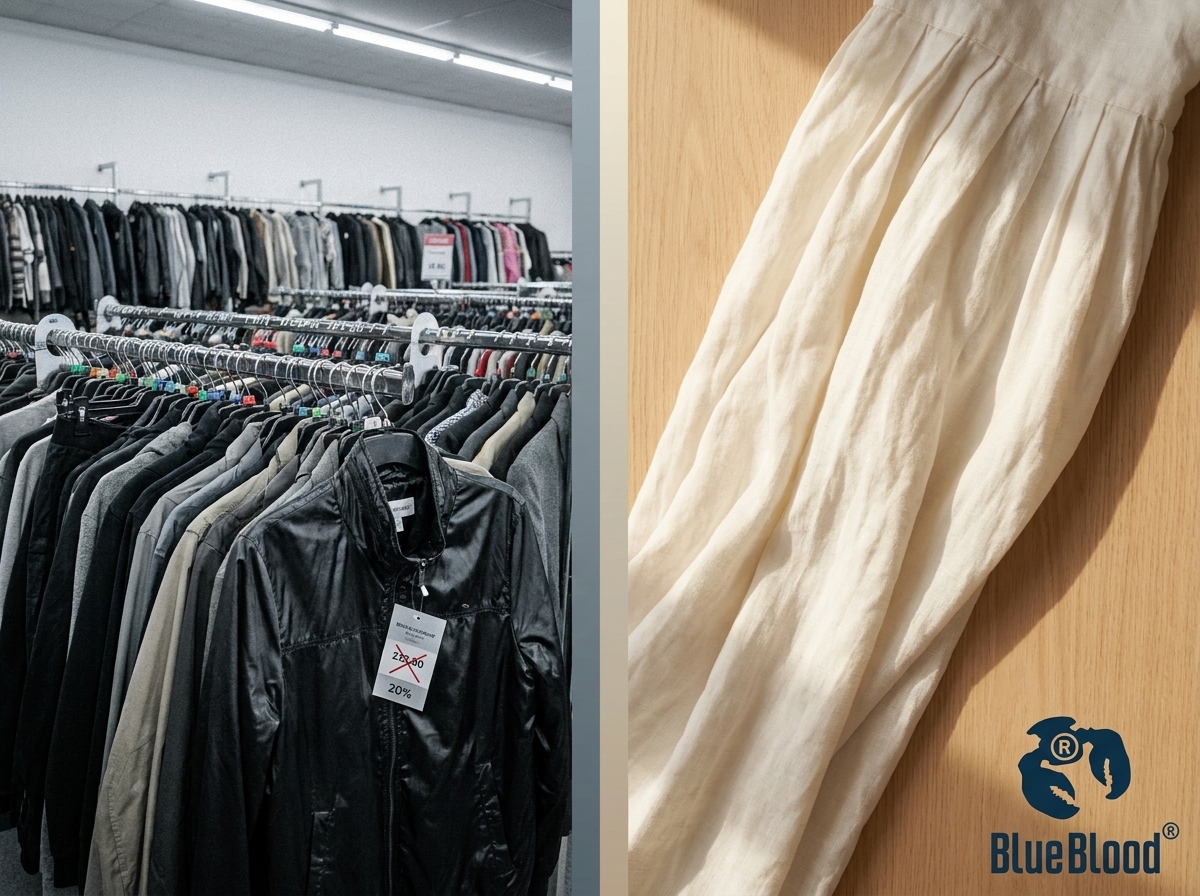
To enjoy your vintage purchases for as long as possible, proper maintenance is essential.
Stain Treatment and Repair
Stains happen, but with the right techniques, they can often be treated effectively. Start with mild cleaning agents and test them first on an inconspicuous area. For small repairs like loose buttons or torn seams, you can use a sewing kit yourself. It significantly extends the lifespan of your garments.
Sometimes professional repairs are necessary. Think of restoring leather or intricate sewing techniques. It's an investment that pays off in wearability. Discover more tips on repair via our chat.
Maintenance of Materials like Wool and Leather
Wool and leather are beautiful materials, but they require special care. For example, wool should be washed carefully and not tumble-dried. Leather needs to be regularly treated with special oils to keep it supple.
Investing in the right maintenance products pays off. This way, you keep your clothes in top condition and significantly extend their life. For comprehensive maintenance guides, please check our maintenance tips.
With this knowledge, you can confidently buy vintage clothing and contribute to a sustainable wardrobe. Each piece tells its own story, and with care, it remains a valuable addition.